How the business worked
From June 2020, the fund sold unsecured promissory notes of $25,000 to $500,000 to investors across the United States. It promised fixed monthly interest of 12% to 17%, “capital preservation” and notes backed by “hard assets and collateral”. It was marketed through online ads, weekly webinars, podcasts and YouTube as a “hands-off passive investment”, suitable for retirement savings.
According to the SEC, it was a one-man operation: the founder owned it, ran the marketing, spoke to investors and controlled the bank accounts.
The scheme
The money went into speculative assets: intellectual property of bankrupt retailers, musical productions, about $5 million of crypto held in the founder’s own name, and a $90 million debt deal paid at $1.5 million a month. According to the SEC, the fund’s income never covered the promised interest, so new investors’ money was used to pay the old ones — more than $18 million in total.
How it was hidden
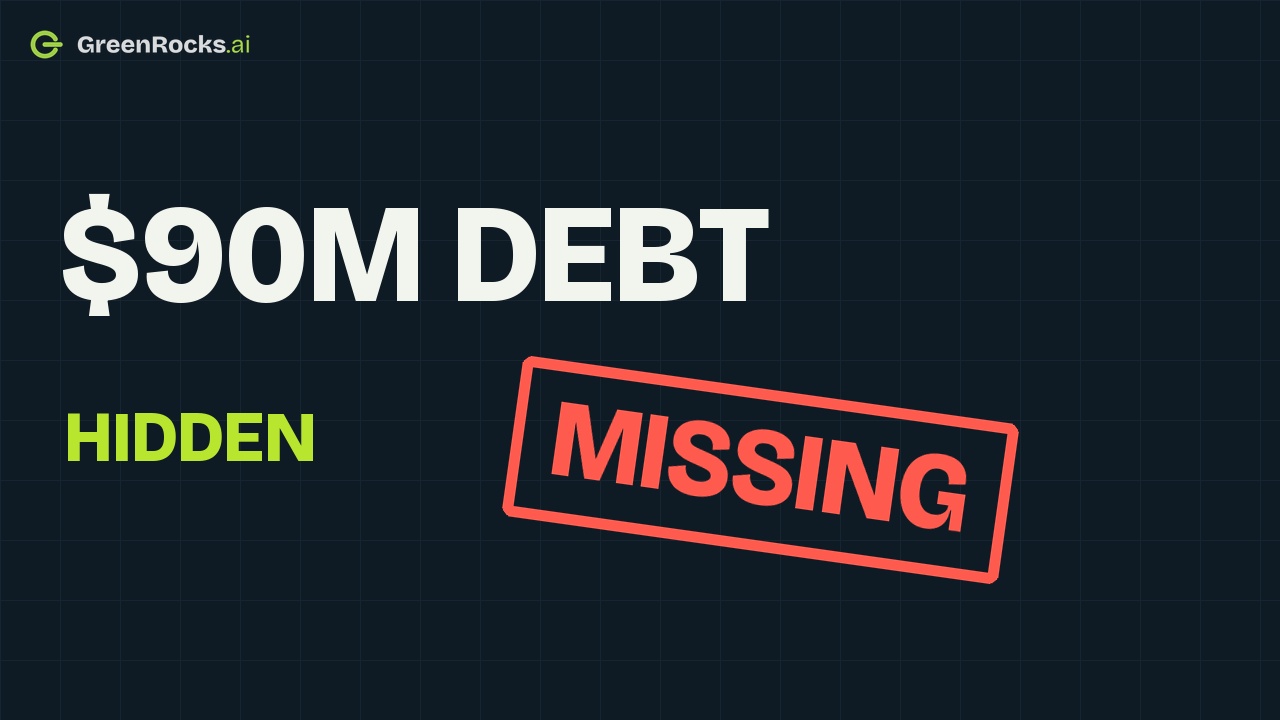
The balance sheets sent to investors showed total assets of up to $224 million. According to prosecutors, they hid more than $90 million of debt and included inflated asset values.
How it unravelled
- June 2020 — the notes go on sale.
- Late 2022 — the fund signs a $90 million debt deal.
- August 2023 — the fund cannot meet its promises; a 5% bonus is added to raise new money.
- June 2024 — payments stop; the notes are turned into shares without investors’ consent.
- Early 2025 — the fund stops operating.
- October 2025 — the founder pleads guilty to wire fraud.
- 15 October 2026 — sentenced to 33 months in prison and ordered to repay about $63 million.
This case file is based on U.S. Department of Justice and SEC filings and on news reporting. Individuals are referred to by role only. The founder pleaded guilty to wire fraud and was sentenced to 33 months in prison. Facts on the use of funds come from the SEC complaint, which the founder settled without admitting or denying the allegations. Educational content only, not audit, legal or investment advice.